
Doing research and lecturing about tea is based on the plant Camellia sinensis, which can be treated differently to get six main types of tea: black, green, white, oolong, yellow, and Pu-Erh tea. In addition, the naming can also change due to the color of the tea’s infusion; the tea that is usually called “black tea” outside of China is named “red tea” within China, oolong tea can also be found as “blue-green tea,” and pu-erh tea is called “black tea” in China.
After water, tea is the most consumed beverage in the world. In many nations, especially in Asia, but also in Poland, Türkiye, Georgia, and Azerbaijan, tea is the everyday drink. But, in most of the other countries, tea and related beverages/cocktails are still rarely found on restaurant menus. Primarily, tea is part of breakfast or afternoon tea offerings. In many European countries, individual tea trading companies have specialized in catering and offer hotels and restaurants the whole range of tea, teapots, and tea strainers, as well as training courses on tea. Since tea can be drunk ice-cold, cold, lukewarm, warm, or hot, this makes it a very flexible companion. There is also the possibility to elaborate with steeping time and the amount of tea in relation to water to increase or decrease certain flavors or textures, such as tannins, to perfect the food pairing.
Tea is a versatile companion that can accompany a complete menu. Many white and green teas, oolongs, and also black teas are ideal. More aromatic teas, such as Lapsang Souchong (smoked tea) or Pu-Erh, are a little more challenging. For example, a dish that would be accompanied by a lightly toasted, barrel-aged American oak Chardonnay can also be well accompanied by a 60% oxidized Oolong, as Oolongs also contain vanilla notes.
The ETCI aims to analyze, compare, and structure tea-related beverages and dishes, tea pairing opportunities, and also specific habits and socially dominating tea ceremonies as a cultural heritage in Europe. In addition, water-related topics and research projects regarding wine as a “sibling” are also part of the portfolio of the European Tea Culture Institute, recognizing the holistic approach of tea. In addition, tea in different environments is part of the ETCI’s interest.

This forum brings together ideas, knowledge and questions relating to tea in space: from tea as a drink for astronauts to the cultural, technical and future prospects of enjoying tea in space. Members can share information here, discuss projects and explore together the role tea can play in space missions, research and international tea culture.
The focus is on questions such as: How has Afternoon Tea developed historically? What regional characteristics are there? What role do museums, tea houses, hotels, collections and cultural events play? And how can this heritage be made visible, vibrant and accessible today?
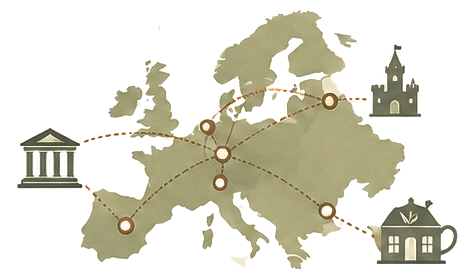
This forum is dedicated to building a network centred on European tea culture. Here, members exchange ideas, concepts and resources to promote collaboration between museums, cultural trails and attractions. In this way, we create synergies and strengthen the shared identity of European tea institutions.

This group focuses on the practical implementation of travel and tourism initiatives. Its main priorities are the development of itineraries, events and guided tours, as well as marketing efforts aimed at raising the profile of tea as a cultural travel theme in Europe and making it an experience people can enjoy.
